
For many, Lent is about giving up some of those guilty pleasures which we indulge in throughout the rest of the year. The traditional period of 40 days of going without - be it meat, alcohol or sweets - begin with a ‘fasting soup’ on Ash Wednesday. Organisations such as local churches and clubs like to invite people along to eat a ‘fasting soup’ and use the opportunity to collect donations.
Towards the end of Lent, all things green are on the menu on Maundy Thursday. Salad, young vegetables, herbs, in short: everything that starts to sprout again in spring is put on the table.
Two days later, people eat more lavishly again. Depending on where you live, on the evening of Holy Saturday or the morning of Easter Sunday, you can finally eat to your heart's content again. Easter ham with fresh horseradish, sausages and, of course, Easter eggs taste even better.

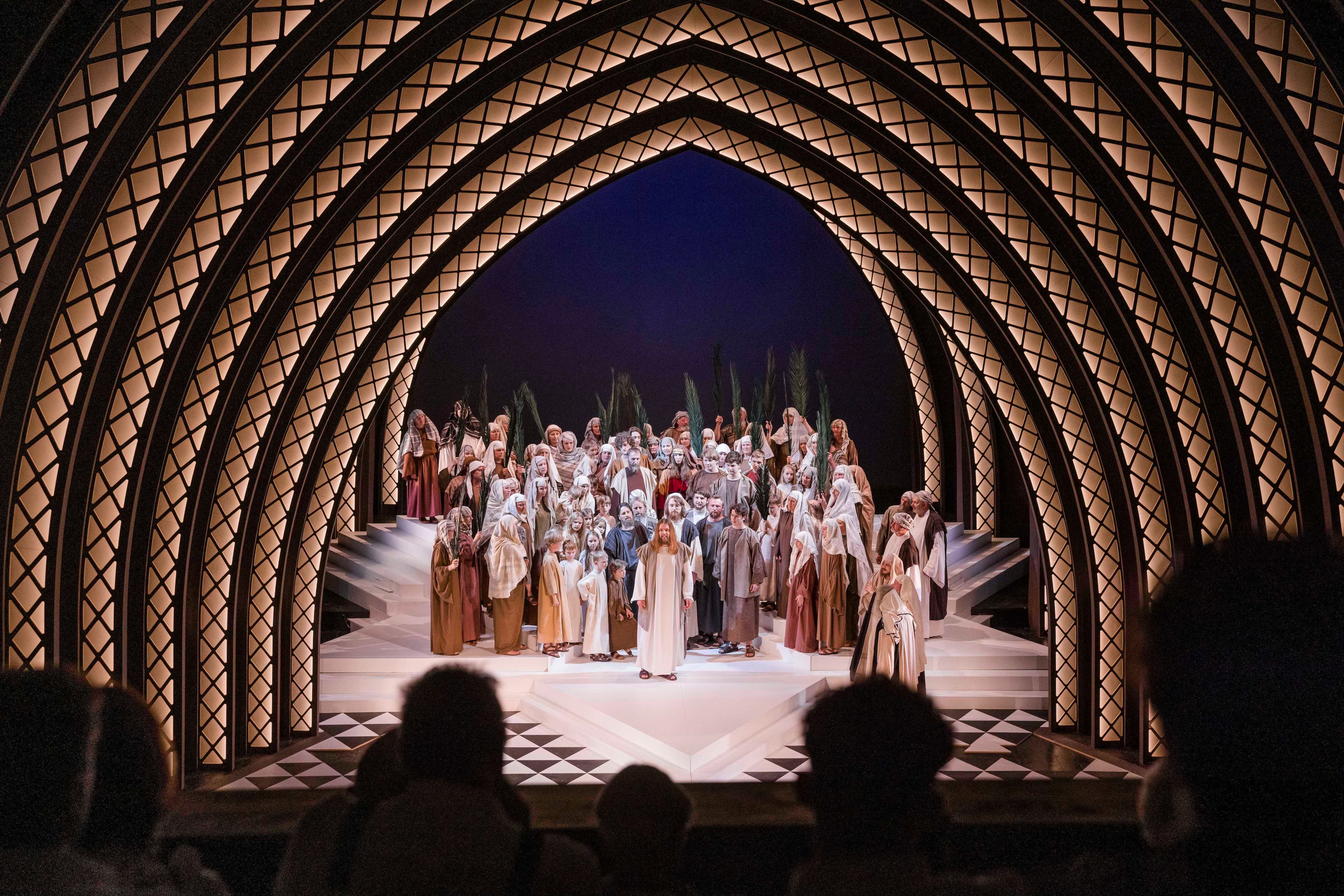
Palm Sunday is the start of the Easter celebrations. Those who wake up first thing in the morning enjoy a cheerful custom - they may call the last person to wake up a ‘Palmesel’ (literally: ‘Palm donkey’). Once all are awake and ready, it is then time to head off to church together.
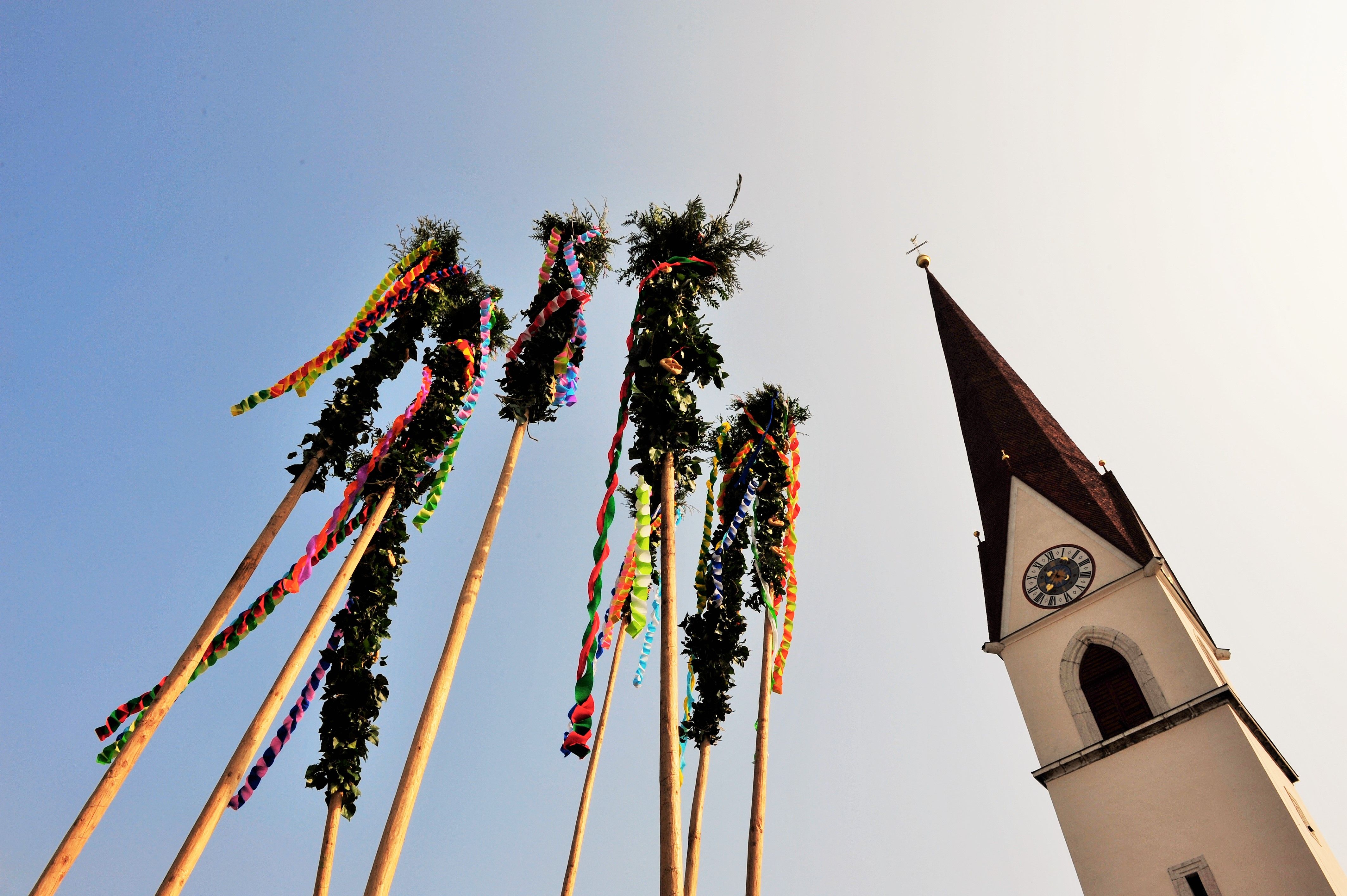

During the Easter processions, girls traditionally carry a ‘palm bush’ and boys a ‘palm lath’, which is made from olive branches and palm catkins and decorated with colourful ribbons and sweet pretzels. In Thaur, a village near the Tyrolean regional capital Innsbruck, a wooden figure of Christ is pulled along the country lanes on a donkey, while in Imst there is a competition for the longest palm lath. Some poles can be up to 35 metres long and therefore have to be carried by up to 30 boys. Palm bushes and slats are then consecrated in front of the church and then carefully stored. It is said that they protect the house from lightning and fire all year round.

If you have ever been to Tyrol during Holy Week, you may have seen children with wooden ratchets and wondered what it is all about. The reason is a long-standing tradition that during church masses between Maundy Thursday and Good Friday bells may not be rung. This period of silence only comes to an end on Holy Saturday, when fire, holy water and holy oils are also consecrated. Instead of church bells, worshippers are called to church during this period by the sound of wooden ratchets enthusiastically played by local children. This custom has been officially been part of the UNESCO Intangible Cultural Heritage List since 2015.

In Tyrol, Easter and All Saints' Day are the dates on which godparents - known as Get and Goti, Teít and Touta or God and Godn, depending on the region - give presents to their godchildren. These gifts often include an 'Easter plait', a sweet bakery product made from yeast dough, or an ‘Easter lamb’, a sponge cake in the shape of a lamb. These are baked on Holy Saturday and sweeten the Sunday breakfast. Their shapes have religious significance.

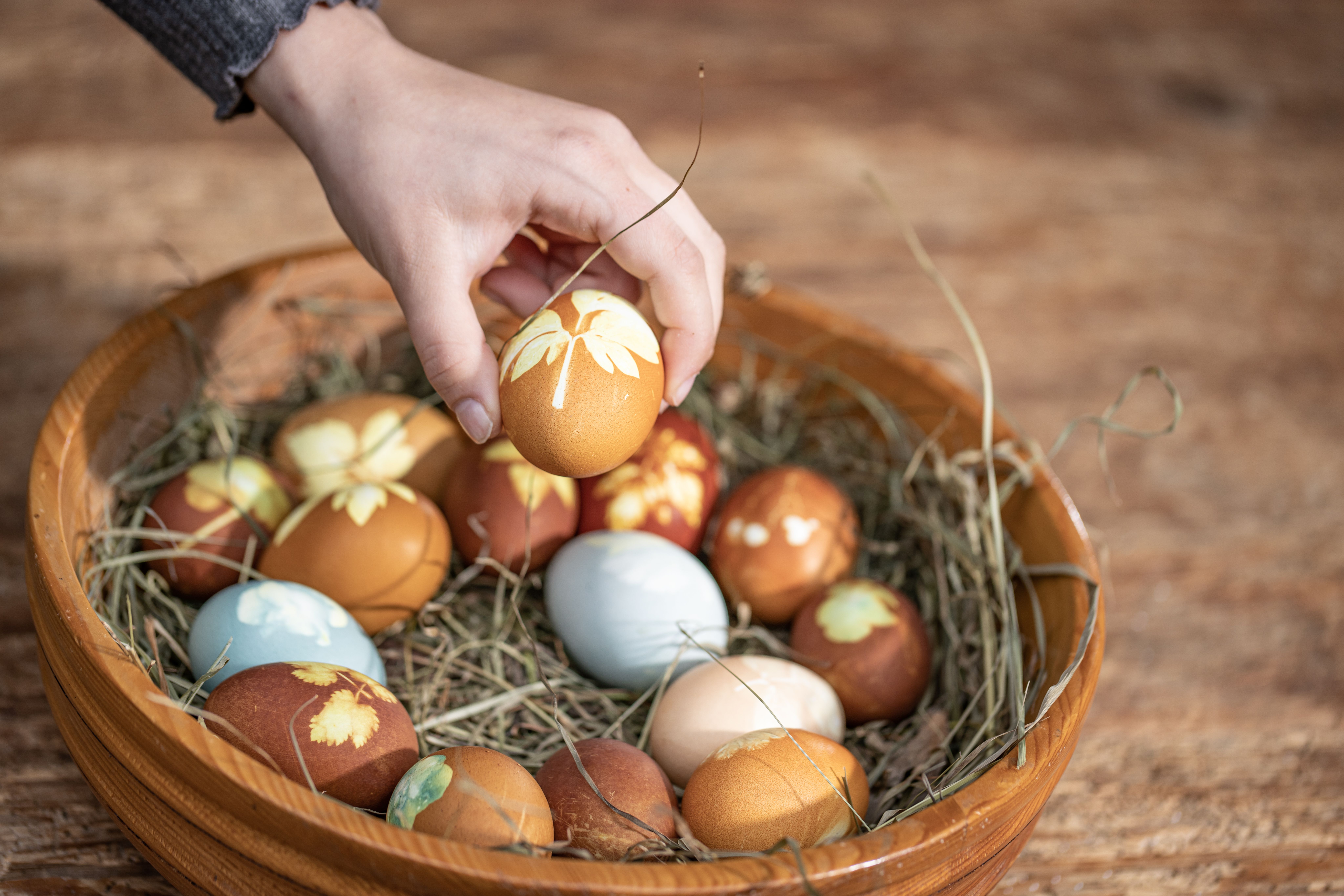
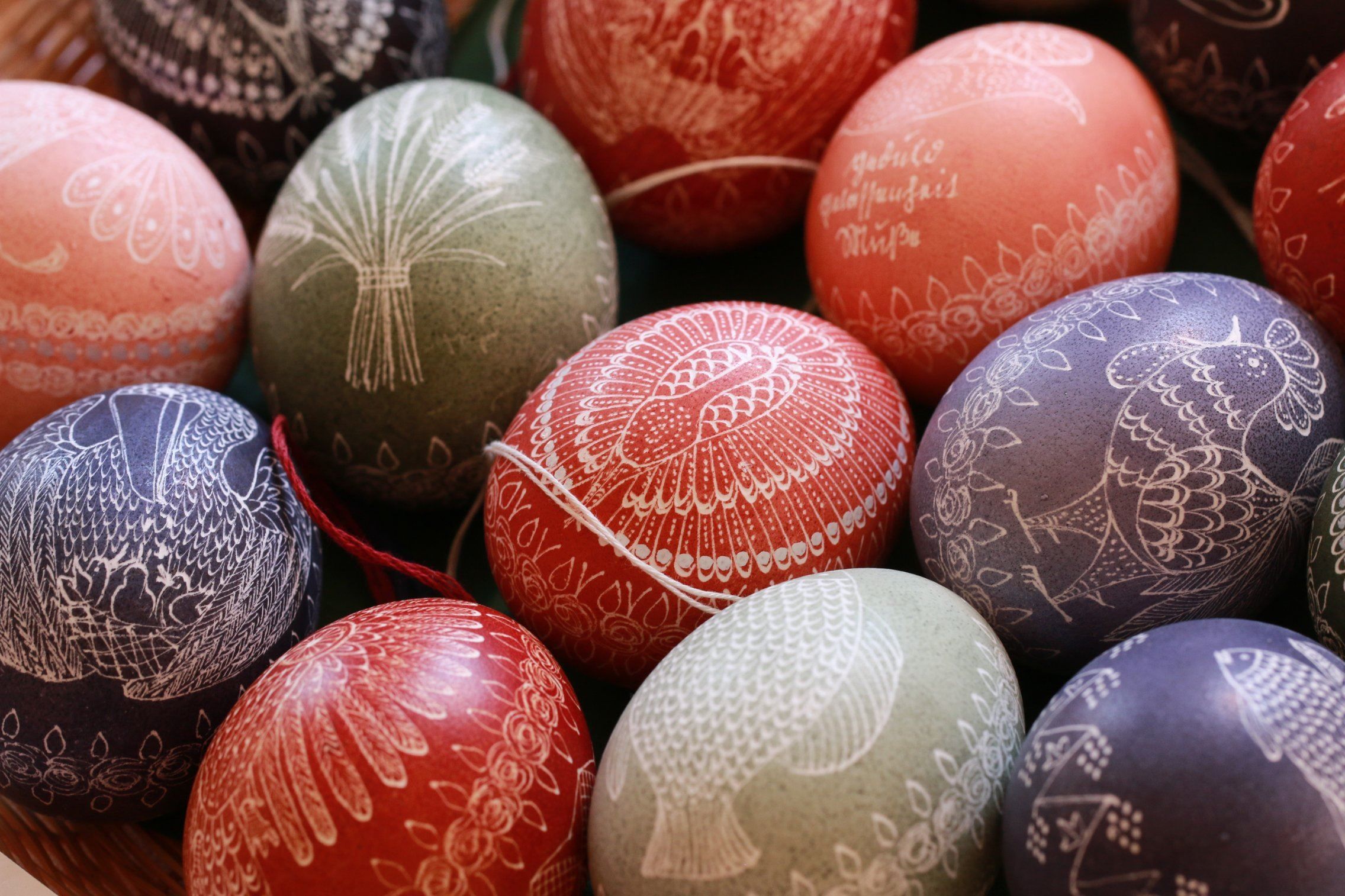
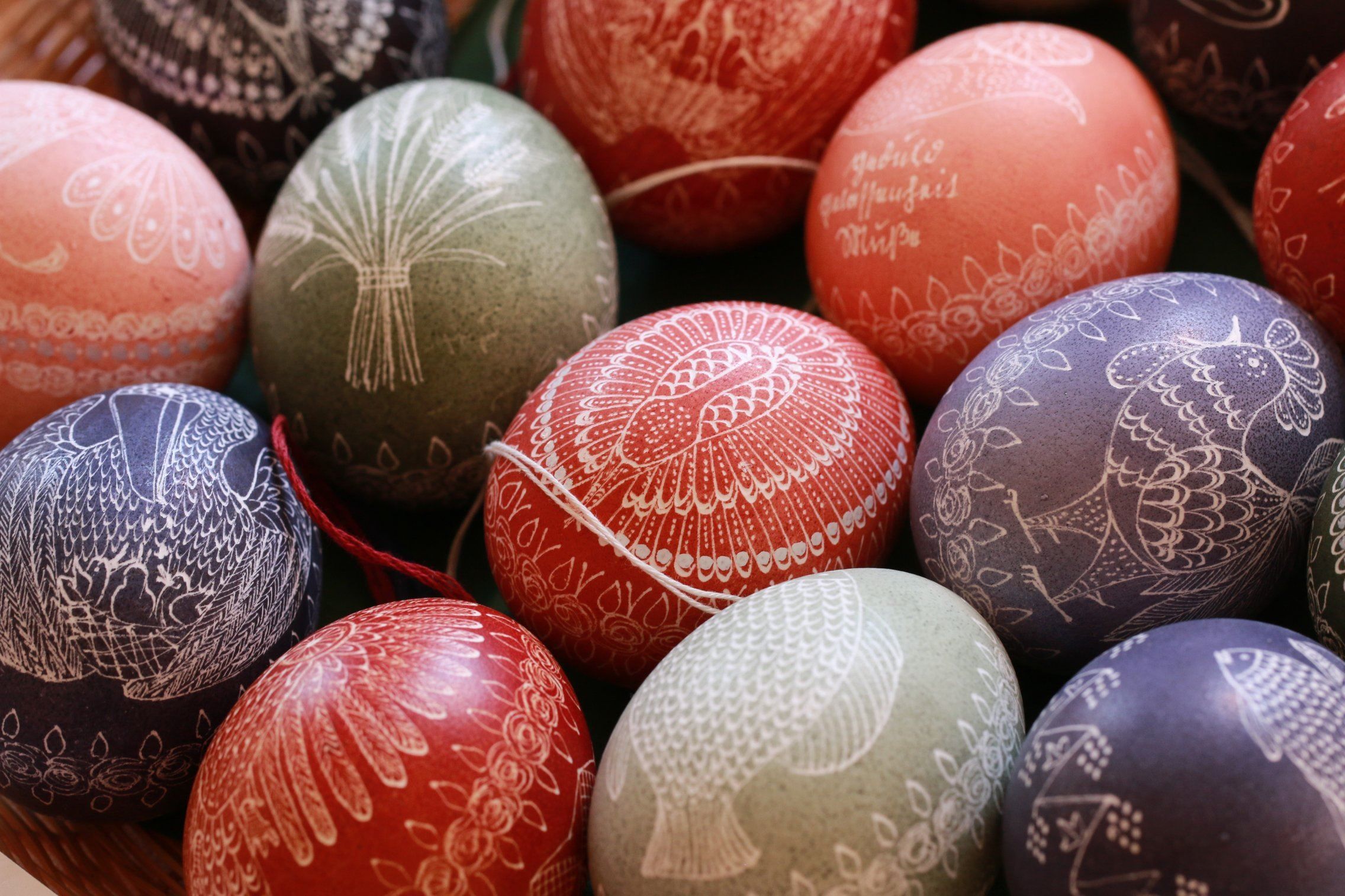
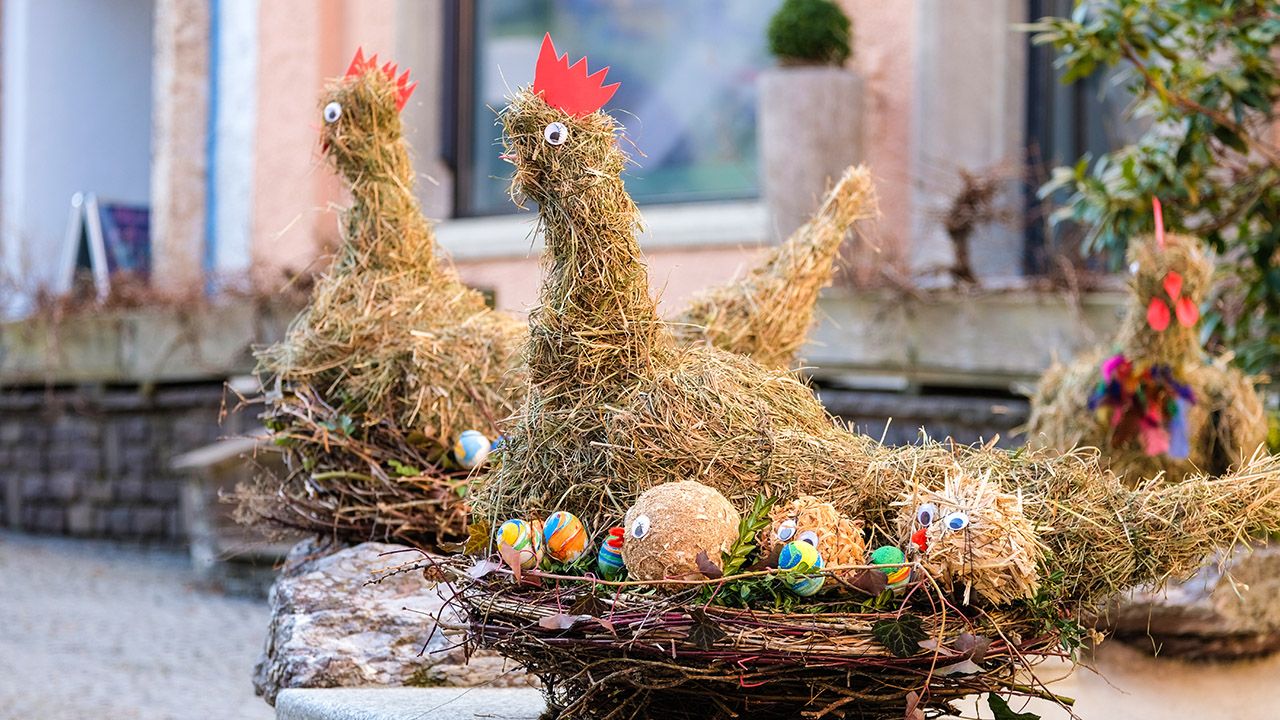
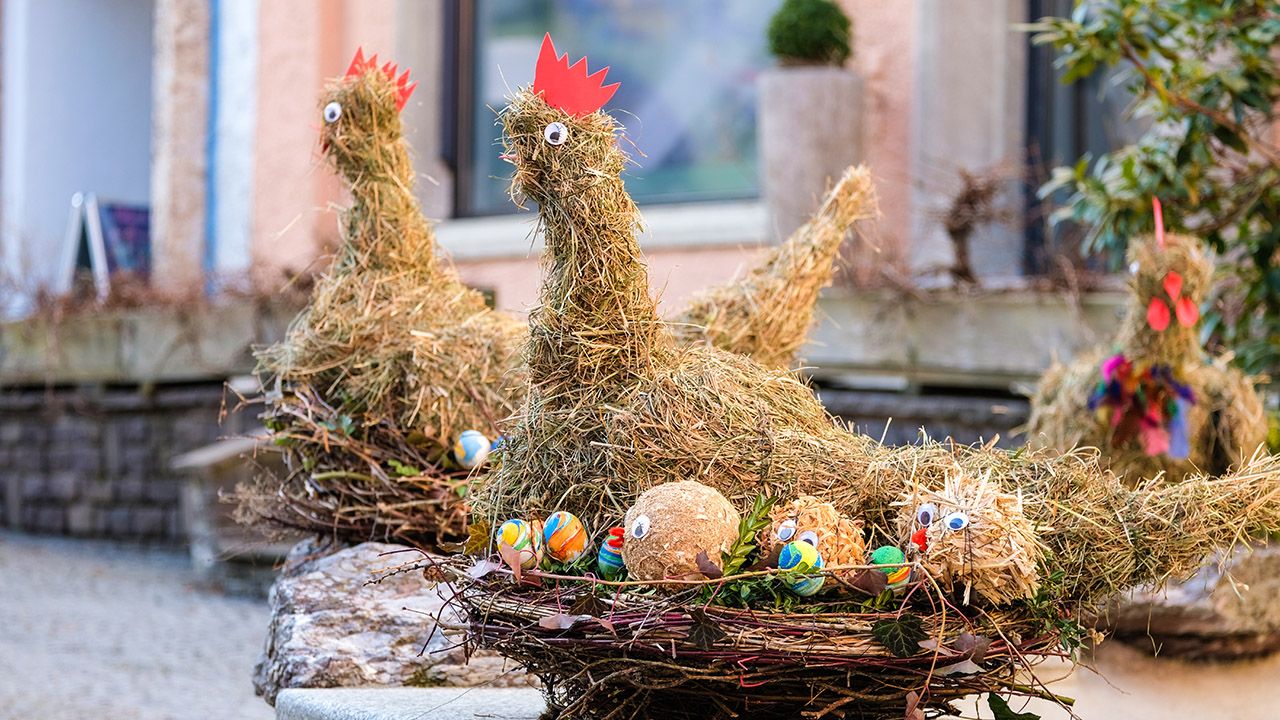
Here in Tyrol, Easter eggs are still … eggs! They traditionally come in a range of colours and are hard-boiled eggs which can be peeled and eaten. There are different theories as to why Easter eggs are dyed. One is that all the eggs that were not allowed to be eaten during Lent were hard-boiled and dyed different colours so that people knew which ones had to be eaten first. Artistic freedom in egg colouring only came with the invention of the fridge. Tyrolean families would gather around the cooker and kitchen table, dip eggs into the dye bath or paint them with brushes and watercolour. On the night of Easter Sunday, the little works of art are then hidden in the house and garden for the children - along with sweets and small gifts.

In the "egg pecking" game, two Easter eggs are smashed together at the tip with a short, firm blow. The winner gets the broken egg, while the loser goes empty-handed. There are some real experts in this field, and if you want to stand a chance, you need to follow the three most important basic rules:
As a symbol of the resurrection of Christ, large Easter bonfires are lit in some areas of Tyrol on the evening of Easter Saturday. One theory is that the custom goes back to the pagan spring bonfires. In Zillertal in particular, fires made from tree and shrub cuttings are an integral part of Easter celebrations - as long as the weather permits. In dry weather, the fires are banned due to the risk of fire.
Easter cleaning has a more mundane purpose - after a long winter, the house is cleaned from top to bottom so that everything sparkles in the spring sunshine in time for Easter.

The people of Tyrol clearly have a penchant for decorating their graves. The custom dates back to the 17th century and was intended to symbolise the death and resurrection of Christ to the church people - who often could not read or write. The graves are usually decorated with colourful glass balls filled with water and illuminated. In Breitenwang, Lienz, Nauders and Patsch, holy tombs are traditionally constructed, consisting of backdrops, curtains and figures. In other places the cloths used to drape the altar are painted with scenes from the Passion of Christ. The mechanical nativity scene in Telfs-Moritzen, which is integrated into the Holy Sepulchre, is particularly beautiful.
What could be better after all that good food at the weekend than a bit of exercise in the fresh air? Good job, then, that Tyrol even has its own custom for this: the ‘Emmausgang’ on the morning of Easter Monday. It is reminiscent of the disciples' journey to Emmaus, where Jesus joined them unrecognised after the resurrection. Sometimes people pray and sing, but many simply enjoy a long walk in the spring sunshine.